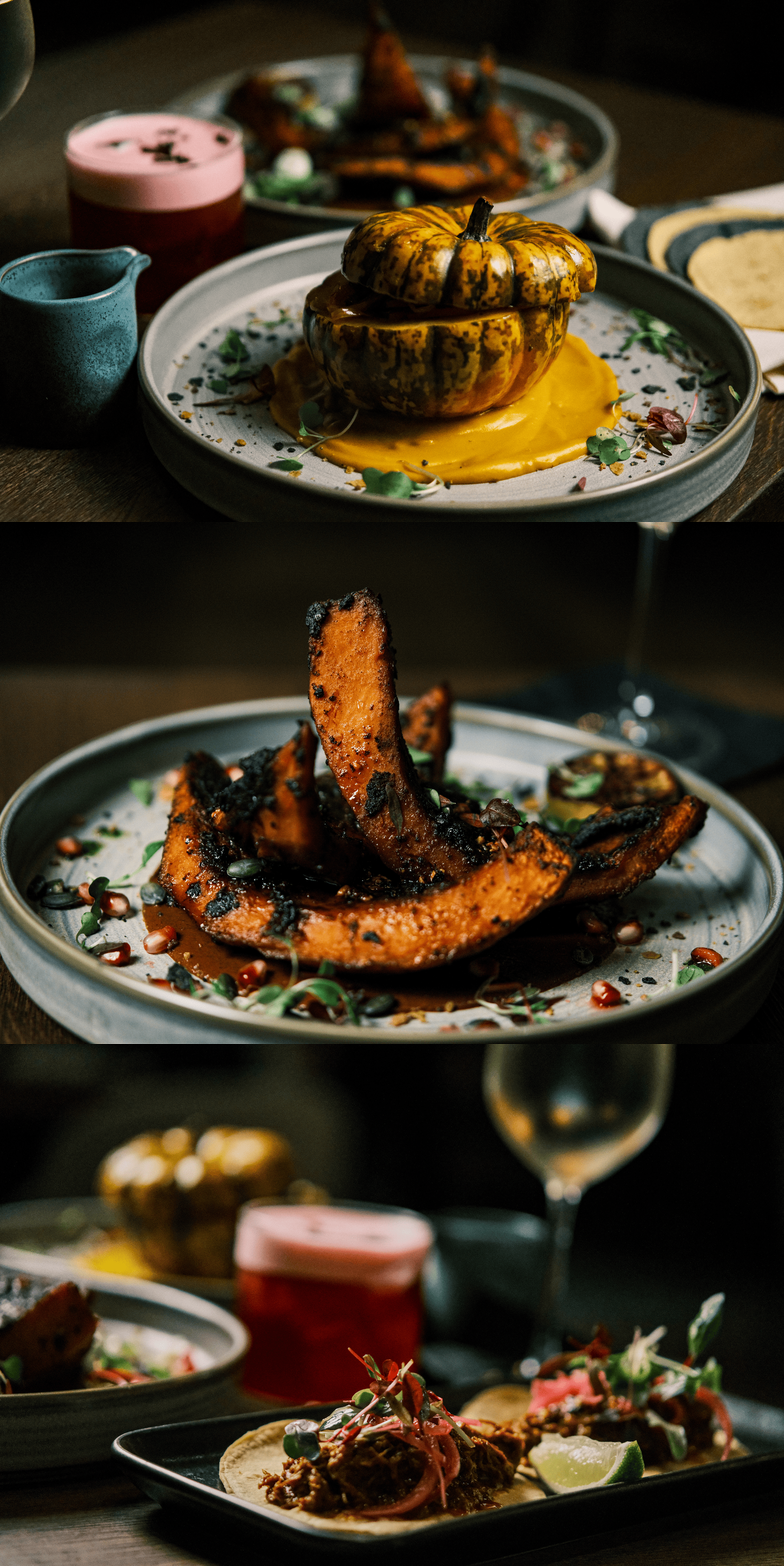
If you live in London and love exploring new cuisines, you’ve probably noticed Latin and Mexican restaurants appearing all over the city. From colourful tacos to slow-cooked meats, both cuisines bring big flavours, vibrant colours, and a lively sense of celebration to the table.
Yet, one question comes up often, what’s the difference between Latin food and Mexican food? Let’s take a closer look.
Latin Food Vs. Mexican Food
Latin Food

Latin food is a broad term that covers the cuisines of Latin America, stretching from Mexico to Argentina and including parts of the Caribbean. It’s not one single cuisine but rather a collection of culinary traditions shaped by geography, culture, and history.
Common ingredients across Latin America include rice, beans, plantains, corn, cassava, and tropical fruits. However, each country uses these in its own way. In Brazil, you’ll find feijoada, a slow-cooked black bean and pork stew often shared among friends and family. In Argentina, grilled meats known as asado are a national pride, while in Cuba, ropa vieja brings shredded beef simmered in a rich tomato sauce with peppers and onions.
What unites Latin cooking is its love of fresh, bold ingredients and communal dining. Meals are often enjoyed together, full of warmth, laughter, and vibrant conversation.
Mexican Food
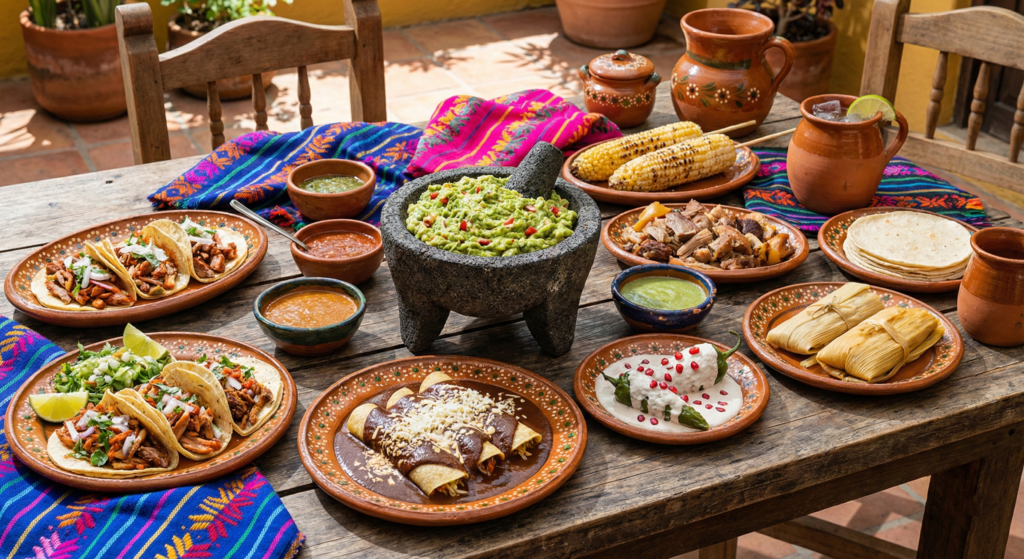
Mexican food is one of the most recognised cuisines within Latin America. It has deep roots in Indigenous cultures, including the Aztecs and Mayans, and has evolved through centuries of history and cultural exchange.
At the heart of Mexican cooking are corn, chillies, beans, avocados, tomatoes, and lime. Dishes such as tacos, enchiladas, and tamales highlight the balance between earthy and bright flavours. The famous mole sauce is a perfect example, combining spices, chocolate, and chillies to create something rich and complex.
A common misconception is that Mexican food is always very spicy. In reality, the heat is just one element. Mexican cooking is about balance and depth, not simply heat. Every spice and ingredient serves a purpose in bringing harmony to the dish.
So, What Sets Them Apart?
The main difference lies in scope and focus. Latin food includes a wide variety of cuisines from South and Central America, while Mexican food refers specifically to the culinary traditions of Mexico.
All Mexican food is Latin, but not all Latin food is Mexican.
Latin food varies greatly between countries. A Peruvian ceviche, for example, uses lime-cured fish for a light and tangy dish, while a Colombian bandeja paisa offers a hearty combination of beans, rice, and meat. Mexican food, on the other hand, is more defined by the consistent use of corn-based dishes, chillies, and layered sauces.
Latin cuisine reflects a mix of tropical, smoky, and savoury flavours, depending on where it comes from. Mexican food focuses more on depth, spice, and rich sauces that bring all the ingredients together beautifully.
How Londoners Experience Both
London’s food scene has embraced both Latin and Mexican cuisines with enthusiasm. Across the city, you can find everything from Brazilian street food pop-ups to authentic Yucatán-style taco bars, each offering its own take on Latin culture through flavour.
Latin restaurants in London often serve Argentine empanadas, Cuban sandwiches, or Venezuelan arepas, while Mexican eateries showcase regional specialities such as Oaxacan mole, tacos al pastor, and cochinita pibil. Each restaurant tells a story of its homeland, celebrating warmth, flavour, and community, which Londoners have come to love.
Final Thoughts
Latin food and Mexican food share common roots but tell very different stories. Latin cuisine represents the diversity of an entire continent, while Mexican food highlights the rich heritage and bold creativity of one nation.
Whether you’re enjoying a spicy Mexican enchilada or a comforting Latin-style stew, both cuisines remind us of how food connects us to culture and people. Next time you spot a new Latin or Mexican restaurant, you’ll know exactly what makes each one unique, and perhaps even discover a new favourite dish along the way.
Read More: