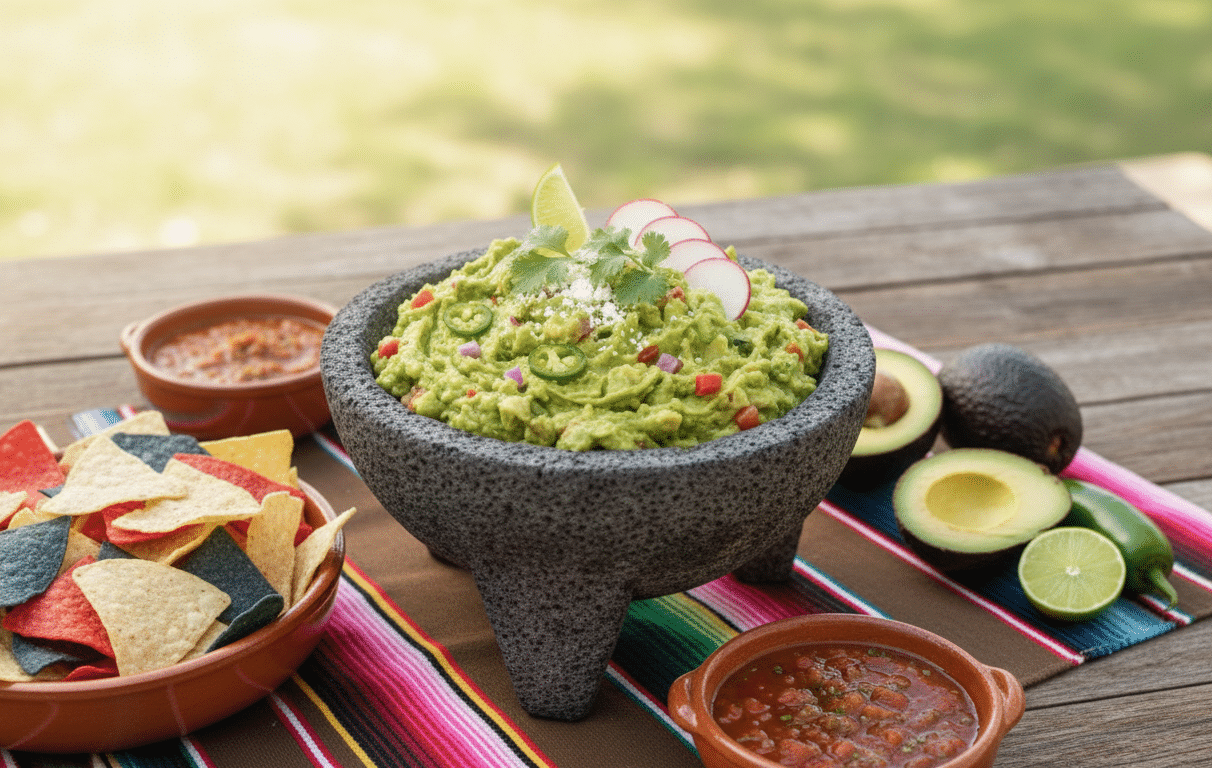
If there’s one dish that captures freshness, flavour, and fun in a single bowl, it’s guacamole. Whether you’ve spread it on toast in a London café, dipped crisps into it at a picnic, or paired it with tacos at a Mexican eatery, you’ve probably enjoyed its creamy green charm.
But what exactly is guacamole? Where did it come from, and what makes it such a beloved part of global cuisine? Let’s dig in.
So, What Is Guacamole?
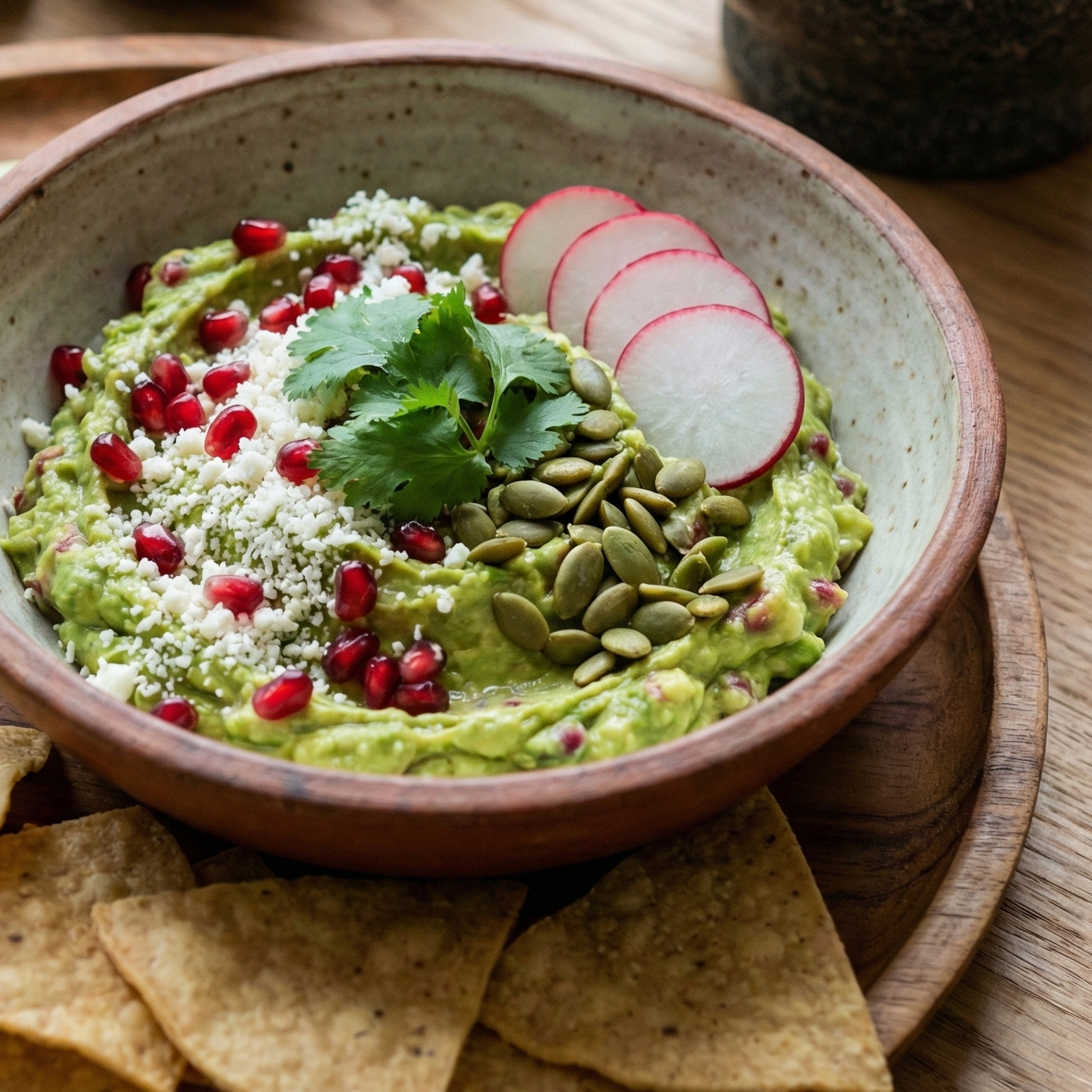
At its core, guacamole is a Mexican dip or sauce made primarily from ripe avocados. It’s usually seasoned with lime juice, salt, onions, chillies, and coriander, though countless variations exist.
The word guacamole comes from the Aztec language Nahuatl, where “āhuacamōlli” translates to “avocado sauce.” That simple definition still holds true centuries later. It’s not just a condiment, it’s a celebration of freshness and balance.
Unlike many dips that rely on dairy or oil, guacamole is naturally creamy thanks to the avocado’s rich, buttery texture. It’s one of those rare foods that feels indulgent yet wholesome — a perfect example of how simplicity can taste extraordinary.
The Origins: From Aztec Tables to Global Fame
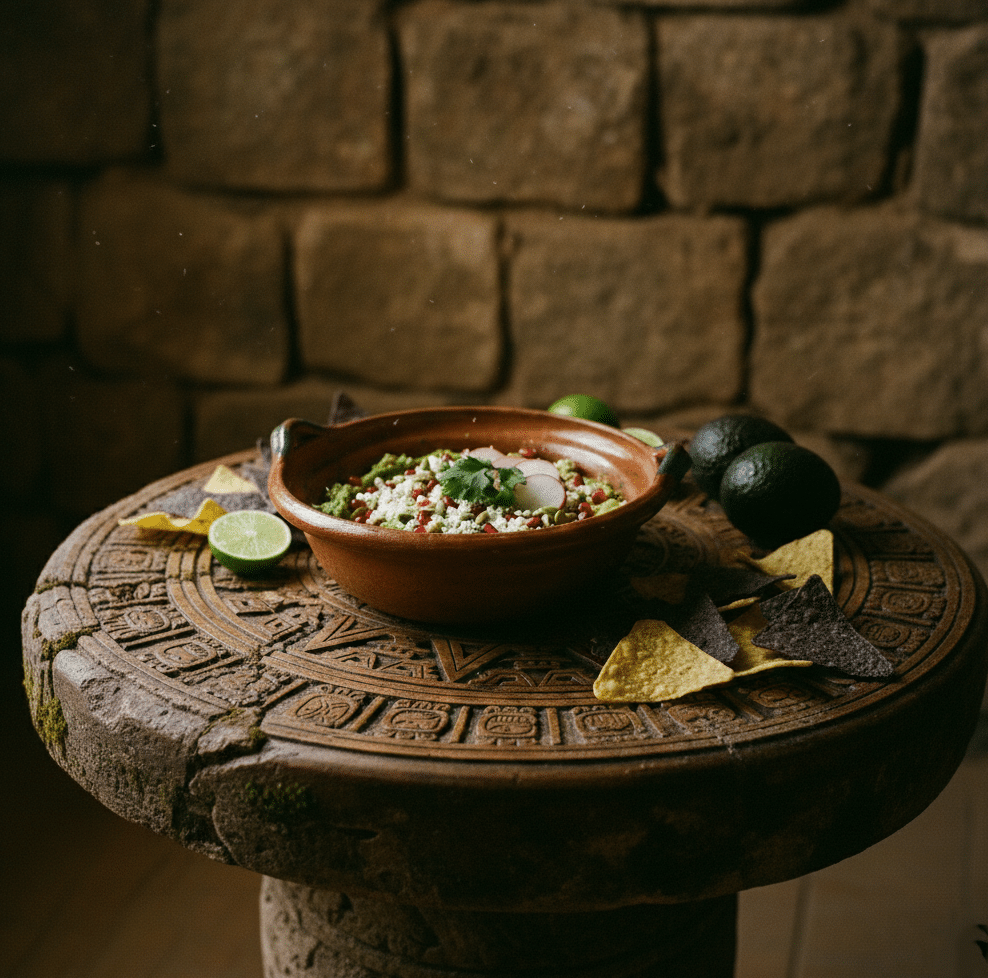
Guacamole dates back to the Aztec Empire in central Mexico, around the 15th century. The Aztecs were among the first to cultivate avocados and combine them with salt and herbs to create āhuacamōlli. They considered avocados a source of strength, fertility, and good health.
When the Spanish conquistadors arrived in the 16th century, they encountered guacamole and were instantly captivated by its texture and taste.
Although avocados didn’t grow well in Europe at the time, the concept endured. Over time, as avocados became more widely available through trade and globalisation, guacamole began to find its place on tables far beyond Mexico.
Fast forward to the present, and guacamole has become a staple of modern dining culture, from taco bars in Mexico City to food markets and brunch spots across London.
What Makes Guacamole So Special?
Three things define a good guacamole: texture, balance, and freshness.
- Texture: Authentic guacamole isn’t meant to be a silky purée. It’s usually mashed by hand, chunky enough to feel rustic but smooth enough to scoop.
- Balance: Lime juice adds brightness, salt enhances flavour, and coriander brings freshness. The best guacamole finds harmony between creamy, tangy, and spicy.
- Freshness: Guacamole must be eaten soon after it’s made. Avocados oxidise quickly, which is why the dip can turn brown if left out too long.
In Mexico, guacamole isn’t just a side dish, it’s part of the meal. You’ll find it spooned over grilled meats, tacos, and even rice dishes. In the UK, it’s more often enjoyed as a dip or topping, often accompanying tortilla chips or sandwiches.
Modern Twists and British Takes
British chefs and home cooks have embraced guacamole in creative ways. You’ll find versions that include:
- Roasted garlic or shallots for sweetness
- Chopped tomatoes or chillies for colour and heat
- Pomegranate seeds for a touch of elegance and crunch
And, of course, there’s the London twist: guacamole on avocado toast, a dish that’s become almost iconic in cafés from Shoreditch to Notting Hill. While purists might roll their eyes, there’s no denying it’s delicious.
Health, Nutrition, and Conscious Eating
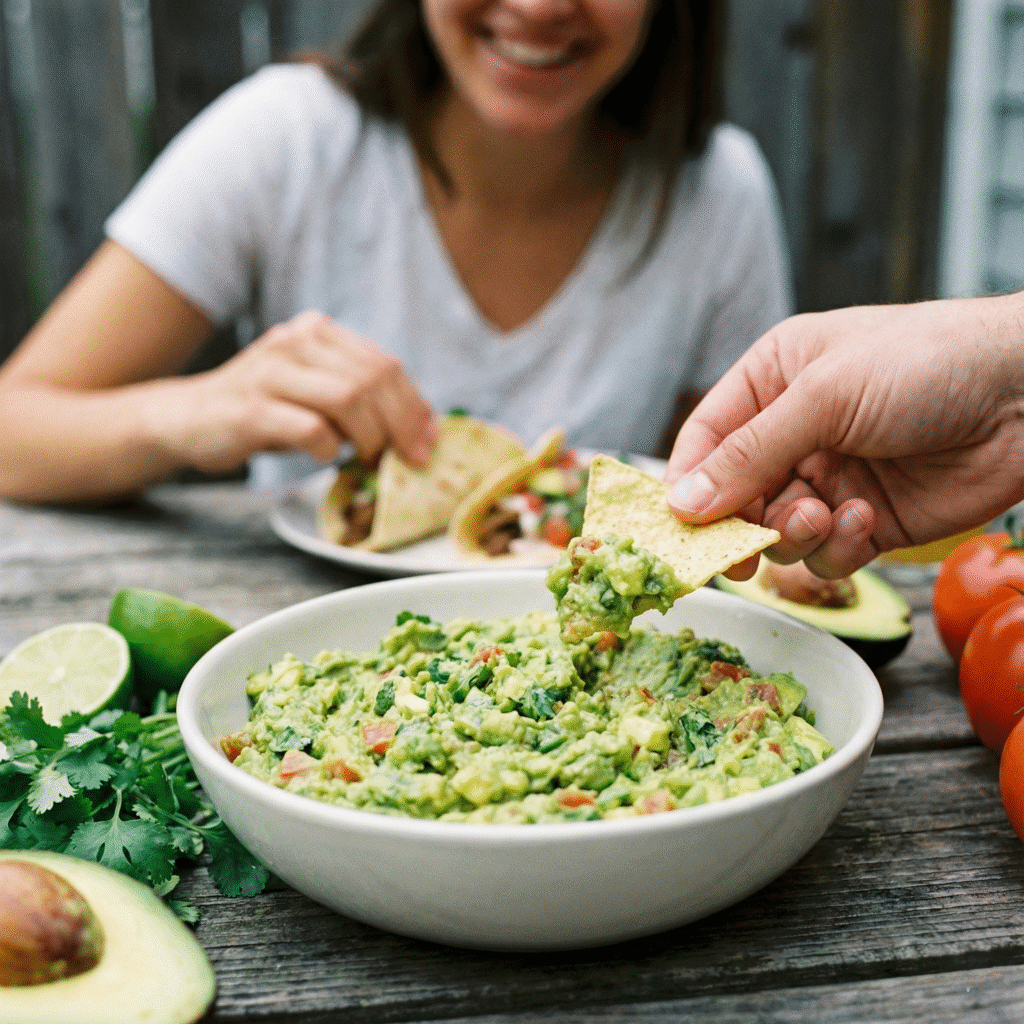
Guacamole is as nutritious as it is tasty. Avocados are packed with healthy monounsaturated fats, which support heart health, along with vitamin E, potassium, and fibre. Combined with natural ingredients like lime, onions, and chillies, guacamole makes a light yet satisfying addition to any meal.
However, as with all global foods, there’s a growing awareness of sustainability. Avocado farming can be water-intensive, particularly in areas facing environmental stress. Many British consumers now opt for ethically sourced avocados, supporting farms that use sustainable practices.
Final Thoughts
So, what is guacamole? It’s far more than just “that green dip.” It’s a piece of Mexican heritage, a symbol of simplicity done right, and a testament to how good food travels across cultures.
From the Aztec heartlands to London’s lively brunch scene, guacamole has evolved without losing its essence, a fresh, honest dish that brings people together. And that, truly, is what makes it special.
Read More: